SISI
Genetics
Catch and Release
Scottish Invasive Species Initiative (SISI)
The Scottish Invasive Species Initiative (SISI) is a 5-year partnership project which aims to work with local organisations and volunteers to control invasive non-native species along riversides in Northern Scotland, for the benefit of our native wildlife and communities.
SISI is led by NatureScot and is funded by the National Lottery Heritage Fund, NatureScot and by in-kind support from project partners and volunteers until 2023. The project has been extended for 3 years to March 2026 following an award of £2.08M from the Scottish Government’s Nature Restoration Fund.
Our iconic Scottish freshwater rivers and lochs are at the heart of our environment and they play a key role in supporting much of Scotland’s wildlife, support a range of economic activities and have a high social and recreational value. Invasive non-native species (INNS) are having a significant negative impact on our freshwater and riparian (riverside) environments, being responsible for the decline of native species and causing effects like bank erosion. We want to halt and control the spread of invasive species, undertake habitat restoration and encourage the return of our native wildlife.
Project staff will work with Fisheries Trusts/Boards who look after the rivers from the Tay in the south to the remote catchments of North West Sutherland, to recruit and train volunteers and work with local groups to enable control of invasive species at a local level, embedded in the community.
Everyone can help halt the spread of invasive non-native species, whether by getting directly involved in their control, practising better biosecurity to limit their spread or by simply being more aware and reporting invasive sightings. We want to raise awareness of the problems invasives cause and engage the public in being part of the solutions.
This is an ambitious project, aiming to create a sense of cohesion between partners, volunteers and communities and working at a large-scale across a third of Scotland to ensure co-ordinated INNS control.

SISI and the Ness Catchment
Current biosecurity issues that are currently found in the Ness district.
- American mink (Mustela vison) is present. Mink spread by migration and kill water fowl, small mammals and juvenile salmon and trout. Mink have been linked to the decline of water voles in other regions.
- Canadian pondweed (Elodea canadensis) has been recorded in the area, particularly south of Loch Ness. It is spread by disposal of plants or plant fragments near waterways, escapes from garden ponds during flood episodes and possibly by birds and other animals. Canadian pondweed dominates native macrophyte communities which can lead to their extinction and thereby impacts local invertebrate communities. It can also increase metal loads within waterbodies that compounds its impacts on native flora and fauna.
- Nuttall’s Pond weed (Elodea nuttallii) has been recorded at Allangrange on the Black Isle, part of the Ness Fishery District. Nuttall’s pond weed dominates native macrophyte communities and this can lead to their local extinction. Impacts have also been recorded on invertebrate communities. All Elodea species take up metals from the sediment and release them into the water. E. nuttallii is very tolerant of copper in particular.
- Australian swamp stonecrop/New Zealand pigmy weed (Crassula helmsii) has been recorded at a number of locations in the Caledonian canal. Australian swamp stonecrop can out- compete native species, cause die offs and lead to associated problems such as reduced oxygen levels.
- Rhododendron (Rhododendron ponticum & hybrids) is present in both the Ness and Beauly catchments as well as coastal areas. In some areas such as the Lower Garry it has been the subject of eradication efforts. It spreads by natural seed and vegetative dispersal after intentional planting in gardens, parks and demesnes. It forms dense thickets and out-competes native plants for space and resources with impacts on fish and invertebrate communities as well as preventing site access.
- Japanese knotweed (Fallopia japonica) has been recorded as being present in a number of locations and has been the subject of local eradication efforts, particularly in the Glen Urquhart SAC area. It has spread along rivers by movement of plant fragments by water and is found in many other areas through the movement of plant debris in soil and on vehicles. It forms dense thickets which can exclude native plants and prohibits regeneration. Dense growth of Japanese knotweed can also hinder access, reduce biodiversity and alter the habitat for wildlife.
- Himalayan balsam (Impatiens glandulifera) is present in the area covered by this plan and has been the subject of localised eradication efforts, particularly the Glen Urquhart SAC area. It spreads through natural dispersion by wind or water from areas in which it has been planted or introduced through the transport of contaminated soil. It forms thick monospecific stands that can shade out low level native plants reducing biodiversity and denuding river banks of understory vegetation. Winter dieback of the plants exposes soil to erosion.
- Giant hogweed (Hercaleum mantegazzianum) is present in a number of locations and has been the subject of eradication efforts, particularly in the Glen Urquhart SAC area. It spreads through seed dispersal and the movement of soil contaminated by its seeds. It is a public health hazard due to the toxins in the sap reacting with UV light to blister skin. Dense stands can hinder access. Giant hogweed out competes native vegetation for space and resources, and can result in a loss of plant and invertebrate diversity. Winter dieback exposes soil to erosion with loss of river banks and increased sedimentation.
- Rainbow trout (Oncorhynchus mykiss) have been introduced to ponds/fisheries throughout the area for angling. Farmed fish are a potential source of viral and bacterial diseases affecting wild salmonids and they also compete for resources with native species if allowed to escape.
- Minnow (Phoxinus phoxinus) is a translocated species that has been introduced into the Ness and Beauly catchments by anglers. Data held by the N&BFT suggests that it is currently extremely widespread. Minnows compete for food and territory with native species but they also provide another food resource for kingfishers, herons, sawbill ducks and other larger fish species.
- American skunk cabbage (Lysichiton americanus) is present in a number of locations, with the main area at a small burn at Dochgarroch, it is thought that this has led to a spread further downstream where single plants are now intermittently appearing. It spreads by natural seed and berry dispersal after intentional planting in gardens. The large leaves outcompete smaller plants and can adversely affect native vegetation.
- Phagocata woodworthi is an American flatworm believed to have been introduced to Loch Ness via equipment being used to search for the Loch Ness monster. Likely to compete with other invertebrates for food.
- Pink salmon (Oncorhynchus gorbuscha) has spread naturally to the area, appearing initially in 2017. The impacts of a spawning pink salmon population on the native species within our waters are currently unknown but may include competition for resources both in freshwater and marine areas. Where animals are caught during routine activities, they are dispatched.

193536254_4215426991850386_6646150781389653424_n

208293848_4292028964190188_713013206903395960_n

IMGP4383

236511324_4427185377341212_1437914579938193297_n

IMGP4312
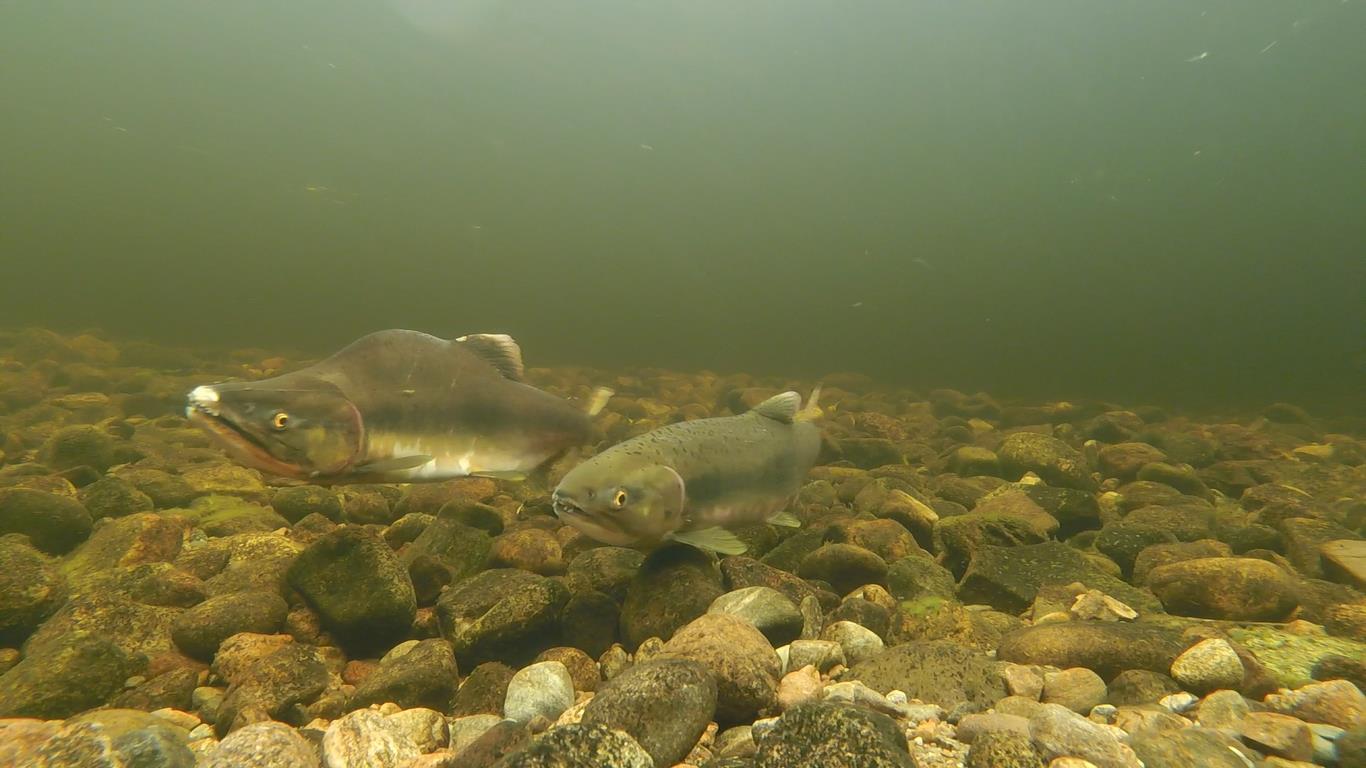
Spawning Pinks
Spawning pink salmon in the River Ness (Chris Conroy, Ness DSFB)
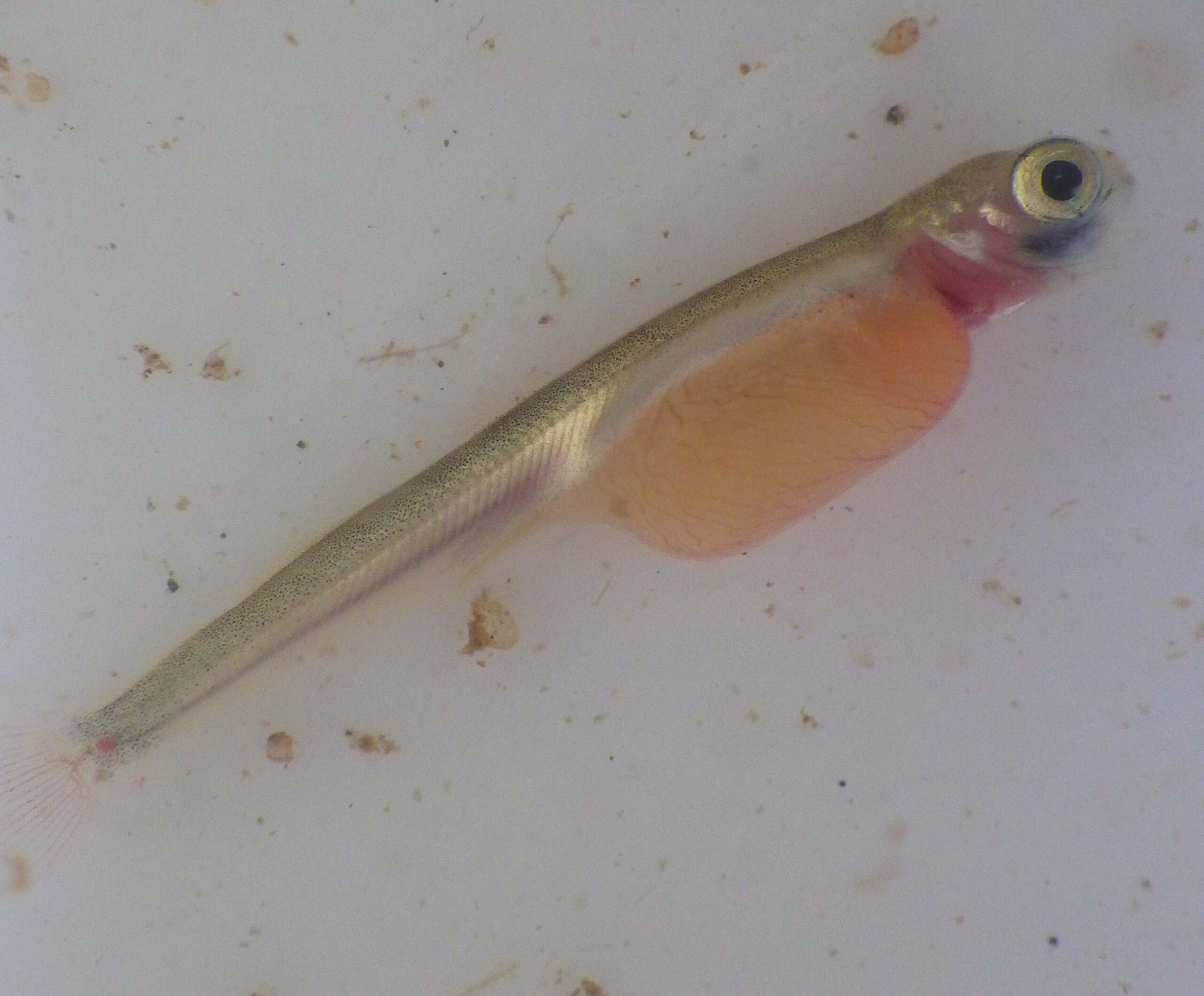
RIMG3494
A developing pink salmon ‘alevin’ (with distinctive silver colouration) from one of the River Ness incubation boxes (Chris Conroy, Ness DSFB)
Existing INNS Controls
There have been a number of previous prevention and control activities concerning INNS within the Ness catchment, some clearance of invasive alien plant species previously funded by SNH in relation to designated sites, particularly Himalayan balsam and Japanese knotweed in Urquhart Bay Woods SAC. Rhododendron removal has also been historically undertaken by a partnership of private interest and public bodies on the river Garry catchment. Much of the current work is overseen by Ness District Salmon Fishery Board (on behalf of Ness and Beauly Fisheries Trust) as part of the Scottish Invasive Species Project (SISI), with funding from NLHF and NatureScot.
- Himalayan Balsam (Impatiens glandulifera) Historical control in the form of hand pulling has taken place at Glenurquahart Woods SAC by contractors and volunteers. This area was visited in 2019 and again in 2020 by NDSFB staff and volunteers under the SISI project. Approximately 2km of river bank was cleared in 2020 with an area of approximately 40000m2. Additional smaller stands were cleared in 2018 on the Avoch burn by Ness and Beauly Fisheries Trust staff and volunteers from the APEX group in Inverness. This area was revisited in 2020 by NDSFB staff and volunteers. These controls were carried out as part of the SISI project.
- Giant Hogweed (Hercaleum mantegazzianum) Chemical control was started in 2018 on 3.6km of both banks of the Littlemill burn and in Munlochy along with associated areas at Knockbain church by Ness and Beauly Fisheries Trust staff and volunteers. An area of approximately 24500m2 was treated. These areas were revisited and again treated in 2020 by NDSFB staff and volunteers where a marked reduction in plant numbers and density was observed. A 1km stretch of the right bank of the river Ness was treated in 2018 and a further 3km of the same river bank in 2020 by NDSFB staff and volunteers. In addition, small stands were treated at Avoch beach in 2020. Treatment is ongoing at all sites on a yearly basis.
- Japanese Knotweed (Fallopia japonica) The Glenurqhuart bay woods SAC is an area of concern regarding Japanese knotweed, with large stands occurring on both banks of the rivers Enrick and Coiltie, these stands extend into the surrounding woodland. In 2019 a small area on the right bank of the River Coiltie/Enrick was treated by NDSFB staff and volunteers via stem injection with Glyphosate. This area was revisited and treated each year by NDSFB staff and volunteers, a marked reduction in densities was observed. A further 4km of both banks along with the surrounding area was also treated with an area of approximately 12000m2 now undergone stem injection.
- The extent of Japanese knotweed infestation here is large and continuous effort is required. In 2020 approximately 3.5km of the right bank of the river Ness was treated via stem injection along with a small area on the Littlemill burn at Munlochy and the Milton of Leys drainage channel. In total approximately 7000 individual stems of Japanese knotweed were stem injected in 2020. All sites are monitored and treated on a yearly basis. In addition, a stand of Japanese Knotweed was treated at the Littlemill Burn in 2021, this has seen no further growth. In 2021 three large stands were treated at Dores beach, again very little regrowth has occurred.
- American skunk cabbage (Lysichiton americanus) A 200m section of the Dochgarroch burn covering an area of approximately 1000m2 underwent control in the form of hand pulling and digging in 2020. In addition, a number of single plants were removed from the right bank of the river Ness. These areas are likely to see further outbreaks until control at the source can be achieved once it has been identified. Further reports of Skunk cabbage have been noted on the South shore of Loch Ness around Loch Mhor and funding is currently being sought by a local community group assisted by local contractors. Again, all sites are monitored and action taken where required.
- American Mink (Mustela vison) have been found regularly within the area, mink have been trapped and humanely dispatched throughout the catchment and are reported on a regular basis. Breeding populations do occur and it is thought the Great glen way acts as a through route from East to West. Currently there is a network of volunteers in the Ness catchment, monitoring and trapping as required under the direction of SISI.
- Aquatic INNS: Highland Council are currently trying to eradicate New Zealand pigmy weed from a small pond in Inverness and the whin park lade.
- Gyrodactylus salaris: The Ness District Fishery Board have disseminated information in the form of leaflets and publicity material regarding the possible introduction of the parasite to the area. Information notices have also been placed at key locations (i.e., those frequently utilised by anglers and water sports enthusiasts) within the Ness catchment. Letting agents, angling clubs etc supply their clients with information and require a declaration form to be signed prior to the granting of permission to fish. British Waterways also provide an information leaflet for canal users.
Full details can be found on our Biosecurity Plan in our publications section.